Operating with disconnected tools (e.g., tracking time in Excel and storing
files in a separate Dropbox or local folder) creates several "invisible" costs that
hit your bottom line:
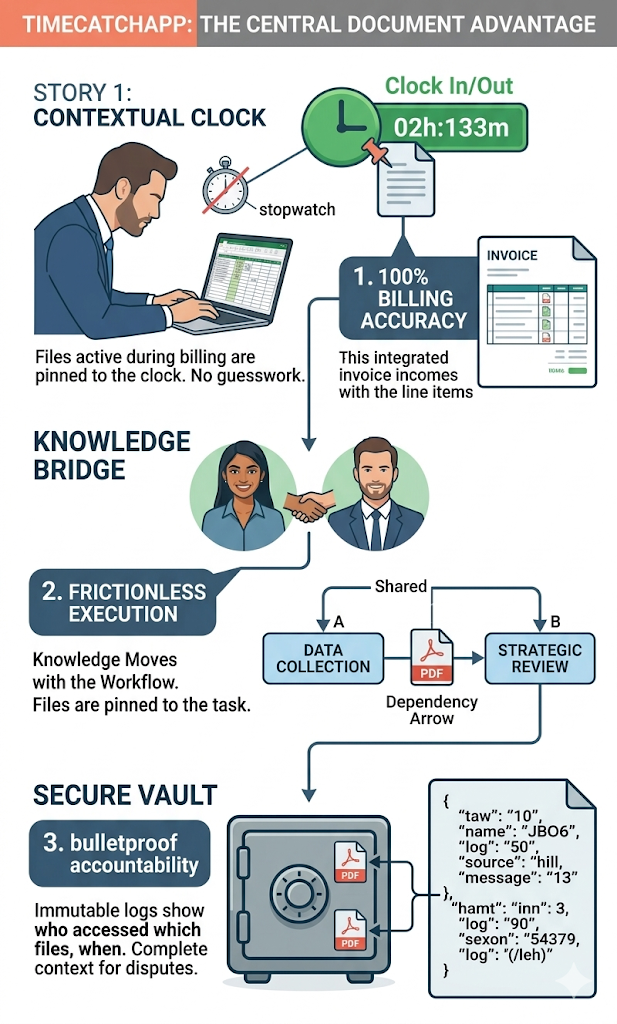
1. Billable Leakage (The "Search" Tax)
Studies show consultants spend up to 20% of their time just looking for information. If you spend 15 minutes finding a file before you start a task, and you don't track that search time, you are losing thousands of dollars in unrecorded billable minutes every year.
2. Version Control Catastrophes
Without integration, it’s easy to clock hours working on the wrong version of a client document. This lead to costly rework and damages your professional reputation when outdated data makes it into a final report.
3. The "Context Gap" during Disputes
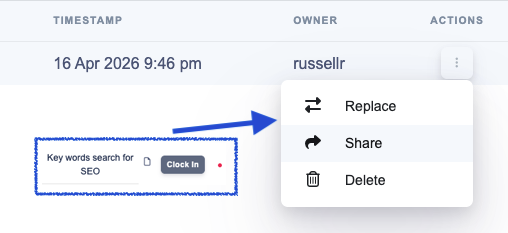
If a client questions an invoice three months later, can you prove which research paper or dataset you were analyzing during a specific 4-hour window? Without integrated logs, you lack the evidentiary context needed to defend your fees, often leading to forced discounts or write-offs.
4. Security & Compliance Risks
Storing sensitive client data in unlinked, generic cloud folders increases the risk of data being shared with the wrong people. For consultants in regulated industries (like Life Sciences or Finance), lacking a secure, audited document ecosystem can disqualify you from high-value contracts.
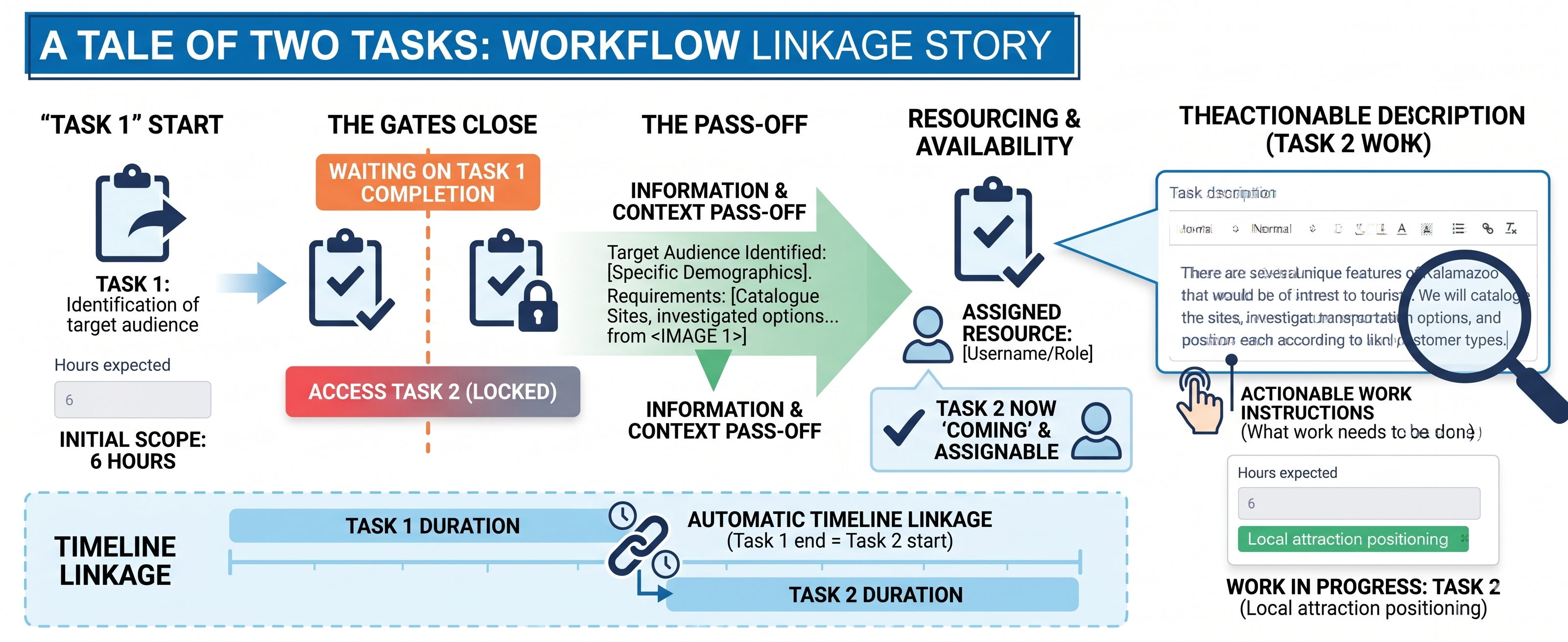
5. Onboarding Friction
When a small firm grows, a lack of integrated storage makes it impossible for a new hire to understand the "why" behind a project. You end up spending hours in unbillable meetings explaining project history that should have been self-documented in the workflow.